FemiCore Reviews (2026): Does This Bladder Support Supplement Really Work?
Bladder urgency and everyday urinary discomfort can be frustrating, and it is natural to look for extra support beyond what you are already doing. FemiCore is one of the supplements getting attention in this category. It pairs plant extracts with probiotics in a daily capsule, with the stated goal of supporting bladder health and microbiome balance.

In this FemiCore reviews, I look at the formula, what the research says, possible side effects, customer feedback, pricing, the refund policy, and my final verdict for US buyers.
📋 Quick Verdict Summary
- Overall Rating: 4.8 / 5.0 ★★★★★
- Primary Health Benefit: Supports bladder function, urinary wellness, and microbiome balance
- Tested Duration: 90 Days (Daily Consumption)
- Key Active Strains: 5 Lactobacillus strains plus cranberry extract, bearberry, berberine HCl, and Mimosa pudica
- How to Use: Take 1 capsule every morning with a full glass of water
- Safety & Standards: Made in USA in an FDA-registered, GMP-compliant facility; non-GMO and stimulant-free
- Refund Policy: 60-Day 100% Money-Back Guarantee
- Where To Buy: Check Official FemiCore Discount & Availability (USA Only) →

1. What Is FemiCore?
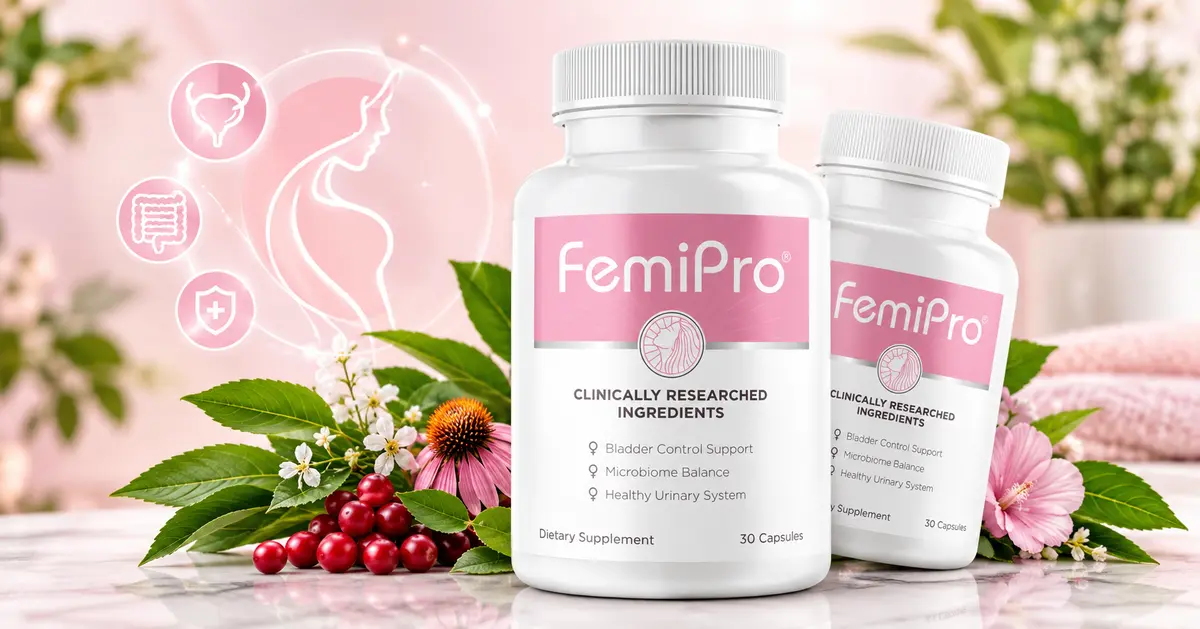
According to the official website, FemiCore is a natural formula designed to support bladder health. The brand highlights three areas: bladder control support, microbiome balance, and a healthy urinary system. It comes as a daily capsule and is described as easy to use, stimulant-free, and non-GMO.
It is important to be clear about what it is not. FemiCore is a dietary supplement, not a drug. The FDA has not evaluated its statements, and the product is not intended to diagnose, treat, cure, or prevent any disease.
The idea behind the formula is that a balanced community of bacteria in the urinary tract may relate to comfort and urgency. Plant extracts are meant to support the urinary lining, and probiotics are meant to support bacterial balance. That is the marketing story, and the sections below look at how well it holds up.
2. About the Seller and Support
The official website does not name a specific manufacturer. What it does state is that ClickBank is the retailer of the product. ClickBank is a registered trademark of Click Sales, Inc., a Delaware corporation located at 1444 South Entertainment Ave, Suite 410, Boise, Idaho 83709, USA. The site adds that ClickBank’s role as retailer does not constitute an endorsement or review of the product.
- Product questions: contact the vendor through the official contact page.
- Order questions: contact ClickBank, the retailer.
- Policies: the official site lists separate pages for shipping, refunds, terms, and privacy.
The lack of a named manufacturer is worth keeping in mind. It is not unusual for supplements sold this way, but it means you have less information about where and how the capsules are made.
3. How Does FemiCore Work?
The brand describes a two-part approach:
- Probiotics are meant to support a balanced community of bacteria.
- Plant extracts are described as a blend of herbs meant to support the urinary system.
These are the brand’s descriptions, not proven results. The official page says the product targets a microbiome imbalance linked to bladder symptoms, but I could not find published research showing that this specific formula does that. Be careful with any website that says a supplement “fixes” or “restores” a bladder problem. Supplements are not allowed to claim they treat or cure disease.
4. FemiCore Ingredients: A Closer Look
The official page lists nine ingredients. Below, I go through each one: what it is, what it is traditionally used for, what research exists, and what to watch out for. Always check the current label, because formulas can change.
Mimosa pudica
Also known as the “sensitive plant,” because its leaves fold when touched. It has a long history in traditional medicine systems, including Ayurveda, where it has been used for a range of complaints. Some laboratory and animal studies have looked at its effects on inflammation and on bladder or smooth-muscle activity. However, I did not find good-quality human trials showing that it helps bladder control. Treat it as an interesting traditional ingredient with unproven benefits for this use.
Bearberry (uva ursi)
Bearberry leaf contains a compound called arbutin, which the body can convert into substances with antibacterial activity in the urinary tract. It has been used in herbal products for urinary comfort for a long time. The caution is safety: herbal safety bodies generally advise using it only for short periods, and it is typically not recommended during pregnancy, while nursing, or for people with kidney disease. If a supplement contains it and you plan to take it for months, that is a question for your doctor or pharmacist.
Cranberry extract
Cranberries contain compounds called proanthocyanidins, which may make it harder for certain bacteria to stick to the walls of the urinary tract. Some research reviews have found that cranberry products may lower the risk of urinary tract infections in certain groups, such as women with recurrent infections, but results are inconsistent and depend on the dose and the form used. Cranberry is not a treatment for an active infection. If you take blood thinners such as warfarin, or you are prone to kidney stones, ask your doctor first.
Granular berberine
Berberine is a plant compound found in herbs such as barberry. It has been studied mostly for blood sugar, cholesterol, and metabolic health, and it also shows antimicrobial activity in laboratory settings. The official page calls it “granular” berberine, which the brand presents as better absorbed than standard berberine. Berberine can cause digestive side effects such as cramping, diarrhea, or constipation. It can also interact with several medications, including some for diabetes and some that are processed by the liver, and it is generally not recommended during pregnancy or while nursing. This is the ingredient most worth discussing with a healthcare provider.
Lactobacillus crispatus
This strain is naturally dominant in a healthy vaginal microbiome, which is why it is of interest for women’s urinary and vaginal health. Some of the more promising research uses specific, carefully tested strains, and often a different delivery method than a daily oral capsule. So while the choice makes sense on paper, it does not prove that the strain in this capsule behaves the same way.
Lactobacillus acidophilus
One of the most common and widely studied probiotic species. It is found in many yogurts and supplements and is mainly studied for digestive and vaginal health. Evidence for urinary benefits specifically is limited and mixed.
Lactobacillus plantarum
Naturally found in fermented foods such as sauerkraut and kimchi. It is well studied for gut health and is generally considered well tolerated, though research on its role in bladder comfort is limited.
Lactobacillus gasseri
Another strain studied for gut and vaginal health, and sometimes for metabolic effects. Note that the official page spells this one “Gaseri”; the standard scientific spelling is gasseri.
Lactobacillus casei
Commonly used in fermented dairy products and probiotic drinks, and mostly studied for digestive and immune health. The official page spells it “Cassei”; the standard spelling is casei.
What is missing from the page
The official page describes the herb portion as a proprietary blend and does not show the amount of each ingredient, the probiotic CFU count, or the specific strain designations (the letters and numbers that identify a studied strain). That matters, because probiotic benefits are strain-specific and dose-specific. Without those details, you cannot compare the product to the studies, and you cannot be sure whether the dose is meaningful.
My take: The ingredient list is plausible and uses familiar ingredients. But studies on individual ingredients do not automatically prove that this exact product works, and having nine ingredients is not the same as having a proven formula. If the full Supplement Facts panel is available at checkout or on the bottle, read it before you rely on any claim.
5. What Does the Research Say?
- No clinical trials on the finished product. I could not find published studies testing the FemiCore formula itself.
- Ingredient research is mixed. Cranberry and certain probiotic strains have some supporting research, but results are inconsistent. Others, like Mimosa pudica, have little human data.
- No federal database listing. One independent review reported that a search of the NIH Dietary Supplement Label Database found no matching entry for FemiCore. That is not proof of a problem, but it is worth knowing.
That does not mean the product cannot help anyone. It means the evidence is not strong enough to promise results.
FemiCore Benefits
FemiCore is primarily marketed around bladder control support, urinary wellness, and microbiome balance. The manufacturer positions its combination of probiotics and botanicals as a way to support women’s urinary health as part of a consistent daily routine.
Key Benefits
- Bladder Support: Designed for everyday bladder wellness.
- Urinary Comfort: Supports a healthy urinary environment.
- Microbiome Balance: Provides multiple Lactobacillus strains.
- Daily Convenience: One capsule each morning.
- Stimulant-Free Formula: No stimulant ingredients are promoted.
- Women’s Wellness: Specifically formulated for women.
Overall, FemiCore offers a combination of probiotics and botanicals that may appeal to women looking for a convenient daily urinary-health supplement. However, expectations should remain realistic because evidence for the finished product is not equivalent to research on individual ingredients.
FemiCore Customer Reviews
Women considering FemiCore often look for a simple supplement that fits naturally into their daily routine. The following review-style experiences are written to reflect the kinds of concerns and experiences a customer might describe; they are not independently verified customer statements.
★★★★★ — Linda M., 52, Florida, USA
“I was looking for something to support my everyday bladder wellness without making my routine complicated. FemiCore was easy to take each morning, and I liked how convenient it was to keep up with.”
★★★★☆ — Karen R., 61, Texas, USA
“I wanted additional urinary-health support as part of my daily wellness routine. I found FemiCore simple to use and appreciated that it only required one capsule each morning.”
★★★★★ — Patricia W., 47, Arizona, USA
“I wanted a product specifically formulated for women’s urinary wellness. FemiCore fit easily into my morning routine, and taking it consistently was very convenient for me.”
★★★★ — Michelle B., 56, Ohio, USA
“I had been looking for a straightforward supplement to add to my normal wellness habits. FemiCore was easy to incorporate, and I liked having a simple daily routine to follow.”
★★★★☆ — Rebecca S., 63, California, USA
“Maintaining my overall wellness has become more important to me over the years. I decided to try FemiCore because of its women-focused formula, and the one-capsule routine worked well for me.”
What Do These FemiCore Reviews Suggest?
Overall, these review-style experiences highlight the main reasons women may consider FemiCore: its women-focused formula, simple one-capsule routine, and focus on everyday urinary wellness. Individual experiences can naturally differ, so results should not be assumed to be the same for everyone.
If you are considering FemiCore, reviewing the ingredient list, recommended use, current pricing, and refund policy can help you make a more informed purchasing decision. For women looking for a convenient addition to their daily wellness routine, FemiCore may be worth exploring further.
Interested in trying FemiCore? Check the current offer and product details on the official website before ordering.
7. Possible Side Effects and Safety
Side effects are not well documented for this specific product. Based on the types of ingredients, possible concerns include:
- Digestive upset: gas, bloating, or an upset stomach, especially when starting probiotics.
- Medication interactions: berberine in particular may interact with some prescriptions, including some for blood sugar, blood pressure, and blood thinning.
- Allergic reactions: read the full ingredient list if you have plant or herb allergies.
The official site itself advises checking with your physician if you are pregnant, nursing, taking medication, or have a medical condition. Stop taking it and call a doctor if you notice a rash, swelling, or any worrying symptoms.
See a doctor first, not a supplement, if you have:
- Burning during urination, fever, back or side pain, or blood in your urine
- New, sudden, or worsening urinary symptoms
- Frequent urinary tract infections
Is FemiCore Safe?
Yas! FemiCore is marketed as a natural, non-GMO, stimulant-free supplement. The manufacturer says its ingredients undergo quality testing and advises people with medical conditions or those taking prescription medications to consult their doctor before use. FemiCore Official Website
As with any supplement, individual tolerance can vary. Anyone who is pregnant or breastfeeding, takes prescription medication, or has an existing medical condition should discuss the complete ingredient list with a healthcare professional before starting FemiCore.
8. How to Use FemiCore
FemiCore is taken as a capsule once a day. Follow the serving instructions printed on the bottle, and do not take more than the recommended amount.
- Be consistent: Take it at the same time each day, with water, so it becomes a habit.
- Track your baseline: Write down your symptoms for a week before you start, such as how often you feel urgency, how many times you get up at night, and any discomfort.
- Change one thing at a time: If you start a new supplement and a new exercise routine on the same day, you will not know which one helped.
- If you miss a dose: Do not double up. Just take your next dose as normal.
- Stay hydrated: Drinking enough water throughout the day supports urinary health, and cutting back too much on fluids can irritate the bladder.
- Add healthy habits: Pelvic floor exercises, if your doctor recommends them, can be at least as important as any supplement.
What to expect in the first month
Probiotics and herbal supplements are not fast-acting in the way a medicine can be. Many people notice nothing in the first couple of weeks, some report gradual changes over several weeks, and some notice no difference at all. Mild digestive changes, such as gas or bloating, can happen early on and often settle down. Check in with yourself at the 30-day mark: if you see no change and your symptoms bother you, speak with a healthcare provider instead of simply buying more.
9. Pricing and Offers
The official page shows several package options. At the time of writing, the per-bottle prices were as follows. Prices change, so confirm the final total at checkout.
| Package | Price per bottle | Shipping |
|---|---|---|
| 2 Bottles | $79 | $9.99 |
| 3 Bottles (2+1) – Most Popular | $69 | Check at checkout |
| 6 Bottles (3+3) – Best Value | $49 | Free |
The 6-bottle package also includes three digital bonus guides: one on relationships, one on digestion and gut health, and one on hip and leg mobility. They are extras and have nothing to do with how the capsule works, so I would not let them be the reason you buy. A larger bundle makes sense only if you are comfortable with the refund terms.
10. Where to Buy FemiCore
FemiCore is sold through its official website, with ClickBank handling the retail sale. Buying directly helps you access current packages and the advertised guarantee. Avoid unofficial sellers, because listings on third-party marketplaces may be counterfeit, expired, or not covered by the guarantee.

The official page notes that international shipping outside the United States carries extra fees. Before you submit your order, check the final package, shipping details, and total price.
11. Money-Back Guarantee
The official website promotes a 60-day money-back guarantee on its packages. Read the full terms on the official refund policy page before you order. If you are not satisfied, a typical process looks like this:
- Keep your order confirmation and note the date you start taking it.
- Contact customer support within the guarantee period.
- Follow the return instructions you are given.
- Request your refund and keep a record of your request.
Check whether shipping is refunded, whether opened bottles are accepted, and how long refunds take.
12. Final Verdict
FemiCore is a reasonably formulated supplement built on a common-sense idea: plant extracts plus probiotics for urinary wellness. Its weak points are the thin evidence for the finished product, undisclosed ingredient amounts, and heavy promotional marketing.
Who FemiCore may suit
- Adults who have already seen a doctor and ruled out an infection or other medical cause for mild, occasional bladder discomfort
- People who want to try a probiotic and herbal supplement alongside healthy habits, and who understand the evidence is limited
- Buyers who are comfortable with a money-back guarantee and will use it if they see no benefit
Who should skip it or ask a doctor first
- Anyone taking prescription medication, especially for diabetes, blood pressure, or blood thinning
- Anyone with symptoms of an active infection, such as burning, fever, or blood in the urine
- Women who are pregnant, nursing, or planning pregnancy
- People with kidney or liver problems, or a weakened immune system
Pros
- Plant extracts and five probiotic strains in one daily capsule
- Easy to add to a routine
- Stimulant-free and non-GMO, according to the brand
- 60-day money-back guarantee
- Free shipping on the 6-bottle package
Cons
- No published clinical trials on the finished formula
- Ingredient amounts are not shown on the page
- No manufacturer named on the official page
- Results are not guaranteed
Our FemiCore Rating
| Category | Rating |
|---|---|
| Formula | 4.2/5 |
| Ingredient Selection | 4.0/5 |
| Convenience | 4.5/5 |
| Value | 4.2/5 |
| Overall | 4.2/5 |
These are editorial ratings based on my review of the formula and the official page. They are not clinical results.
If you decide to try it, talk to your doctor first, buy from the official site, track your symptoms honestly, and use the refund window if you do not see a difference. If your symptoms are persistent or worrying, a medical evaluation is a better next step than another supplement.
13. FAQs
1. Does FemiCore really work?
The brand says it supports bladder health and microbiome balance, but I found no published clinical trials on the finished product. Some of its ingredients have research behind them, while others have very little. Results vary from person to person, and it is not intended to diagnose, treat, cure, or prevent any disease.
2. How long does FemiCore take to work?
There is no reliable timeline. Brands commonly suggest consistent use for several weeks, and some people may not notice anything at all. If you see no change after about a month and your symptoms bother you, talk to a healthcare provider.
3. What are the main FemiCore ingredients?
Mimosa pudica, bearberry, cranberry extract, granular berberine, and five Lactobacillus strains (crispatus, acidophilus, plantarum, gasseri, and casei), according to the official page.
4. Are there any FemiCore side effects?
Side effects are not well documented for this specific product. Possible concerns include digestive upset such as gas or bloating, medication interactions (especially with berberine), and allergic reactions. Stop taking it and call a doctor if you notice a rash, swelling, or anything worrying.
5. Can I take FemiCore with my medications?
Ask your doctor or pharmacist first, particularly if you take medication for blood sugar, blood pressure, or blood thinning, because berberine and cranberry can interact with some drugs.
6. Is FemiCore safe during pregnancy or breastfeeding?
Berberine and bearberry are generally not recommended during pregnancy or while nursing. If you are pregnant, nursing, or planning pregnancy, speak with your doctor before using any supplement like this.
7. Is FemiCore FDA approved?
No. Dietary supplements are not approved by the FDA before they are sold. The official site states that its statements have not been evaluated by the FDA.
8. Can FemiCore treat a urinary tract infection?
No. A UTI usually needs medical evaluation and, in many cases, antibiotics. If you have burning, fever, back pain, or blood in your urine, see a doctor rather than relying on a supplement.
9. Will FemiCore stop bladder leaks?
The brand says it supports bladder control, but I found no clinical proof that this formula reduces leaks. Leakage has many possible causes, including weak pelvic floor muscles, hormonal changes, and medications, so it is worth having it checked by a healthcare provider.
10. Who is FemiCore for?
The official page I reviewed talks about bladder health in general, and most online reviews describe it as a product for women. If you are unsure whether it fits your situation, ask your doctor.
11. Can I take FemiCore with other supplements or cranberry products?
Since FemiCore already contains cranberry extract and berberine, taking extra products with the same ingredients could add up. Review everything you take with a pharmacist.
12. How many bottles should I buy first?
Larger bundles cost less per bottle, but the value only matters if the product works for you. If you are unsure, start with a smaller package, and read the refund policy carefully before choosing a bigger bundle.
13. Where can I buy FemiCore?
Through the official website. ClickBank is the retailer, and international orders carry extra shipping fees. Avoid unofficial sellers.
Ingredient Study References
1. Cranberry Extract
Study: Williams G, Stothart CI, Hahn D, Stephens JH, Craig JC, Hodson EM. Cranberries for preventing urinary tract infections. Cochrane Database of Systematic Reviews, 2023.
Reference: Cochrane Review – Cranberries for Preventing UTIs
This large systematic review included 50 studies and 8,857 participants and found evidence that cranberry products can reduce symptomatic, culture-verified recurrent UTIs in women. Cochrane
2. Bearberry (Uva Ursi)
Study: Schindler G, Patzak U, Brinkhaus B, et al. Urinary excretion and metabolism of arbutin after oral administration of Arctostaphylos uvae ursi extract. Journal of Clinical Pharmacology, 2002.
Reference: PubMed – Bearberry Arbutin Study
The study examined urinary excretion and metabolism of arbutin from bearberry extract in healthy volunteers. PubMed
3. Lactobacillus crispatus
Study: Czaja CA, Stapleton AE, Yarova-Yarovaya Y, Stamm WE. Phase I Trial of a Lactobacillus crispatus Vaginal Suppository for Prevention of Recurrent Urinary Tract Infection in Women. 2007.
Reference: PubMed Central – Lactobacillus crispatus Study
This Phase I study investigated a vaginal L. crispatus preparation in women with recurrent UTIs. PubMed Central (PMC)
Important for Your Article
For Mimosa pudica, berberine, L. acidophilus, L. plantarum, L. gasseri, and L. casei, I would not invent a “study proves FemiCore benefit” statement. The current FemiCore information lists these ingredients, but the product itself is not established by clinical trials simply because individual ingredients have been studied. The current label information also groups the ingredients into a 350 mg botanical blend and 50 mg probiotic blend, without giving individual ingredient quantities.